Best Rotary Cutter for Quilting: Size and Brand
Today’s blog post is all about my new rotary cutter and why it’s the best rotary cutter for quilting hands down. No more struggling or pressing really hard to get your rotary cutter blade to make a clean cut. Goes through multiple layers of fabric with ease. Best of all, you can buy it on Amazon and have it in a few days and it won’t cost you a fortune either. Let me tell you all about my new best friend, I mean best quilting tool, my new rotary cutter with ball bearings.
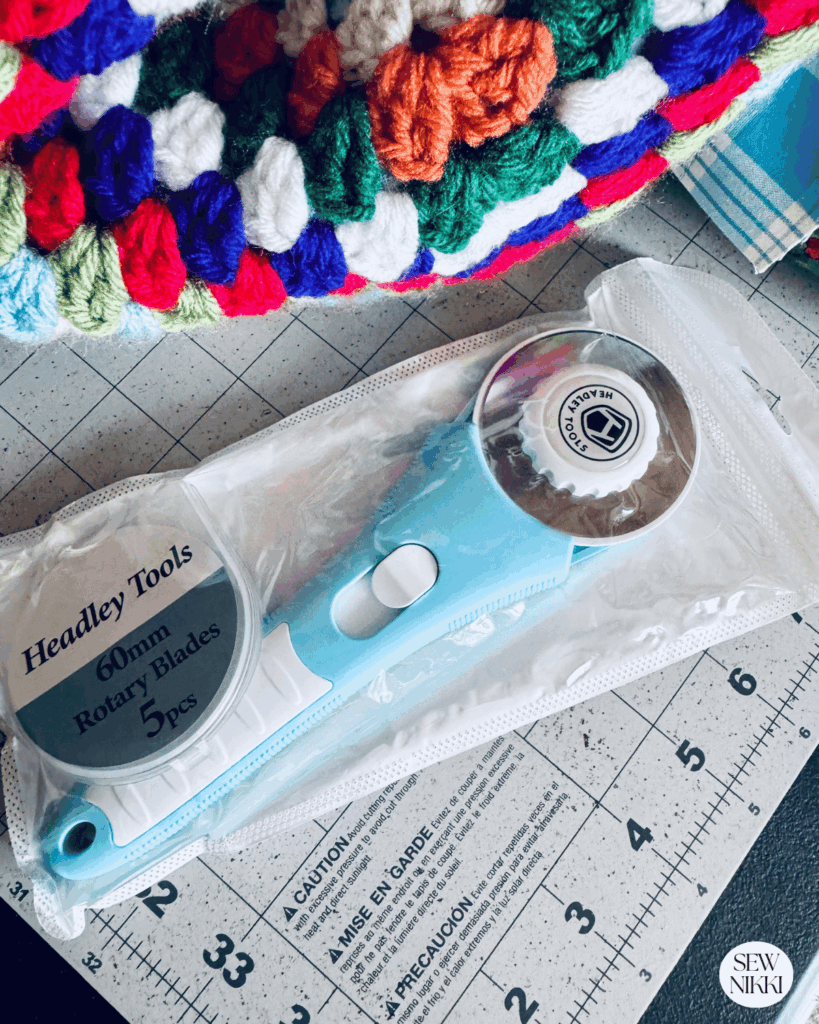
If you’ve been quilting for a minute or a couple decades then you already know how much the right rotary cutter matters. Today I’m breaking down the best rotary cutter for quilting, the sizes to consider, the brands I’ve used, and why my brand new Headley Tools 60mm Rotary Cutter has officially earned a permanent spot on my cutting table.
Yep, you read that right it’s a 60 mm cutter. And before you think, “Dang, that’s huge,” stick with me. Because it turns out that the big guy handles everything from tiny patchwork squares to major trimming jobs like a champ. It’s honestly the upgrade I didn’t know I needed.
Whether you’re a beginner quilter trying to figure out where to start or you’ve been at this long enough to dull blades in your sleep, I’ve got you covered. Let’s talk cutter sizes, brands, what I’ve used for years, and why this new Hadley cutter is the star of the show.
MAKE SURE YOU CHECK THIS OUT!
After you read this post, make sure you also check out Learn How to Quilt for Absolute Beginners. It’s jam packed with information to make your first quilt. It also has links and resources that are so helpful when you’re first learning. There’s lots of free quilt patterns that are great for beginners and all skill levels too. So make sure you check this out, seriously don’t forget!
Make sure you grab a copy of my free Quilt Planning Journal. It’s filled with graph paper and note pages to help you design at least four quilt or sewing projects! Use it to jot down ideas, fabrics, patterns and inspiration all in one place. Or create your own patterns and share with others. Pin fabric swatches, photos of your finished quilts and enjoy your creative process!
Why Your Rotary Cutter Choice Actually Matters
Rotary cutters feel simple enough—you press, you slice, and fabric magically becomes quilt blocks. But the truth is your rotary cutter affects accuracy, speed, safety, and how tired your hand gets after cutting for an hour straight.
A dull or low-quality cutter will drag and skip. A blade that doesn’t spin smoothly can cause uneven cuts. And a cutter without a comfortable grip? Your wrist will absolutely let you know.
So when we talk about the best rotary cutter for quilting, we’re really talking about:
- Size: 45mm vs 60mm (and when to use each)
- Blade quality
- Comfort
- Cutting power
- Reliability
- Safety
And today, all signs point to a 60 mm upgrade.
Rotary Cutter Sizes: What’s Best for Quilters?
Let’s break it down so you can see why the 60mm Hadley cutter works for everything.
45 mm Rotary Cutter
This is the “standard” quilting size. You can:
- Cut small patchwork pieces
- Trim blocks
- Cut a couple layers at a time
- Follow acrylic rulers easily
I used a 45mm cutter for years. It’s still a great all-around size, especially for beginners who are nervous about handling something bigger.
60 mm Rotary Cutter
This one is a powerhouse.
Think of it like: same accuracy, double the cutting force.
It’s perfect for:
- Cutting multiple layers
- Trimming quilt tops
- Cutting batting
- Long straight cuts
- Thick fabric (denim, canvas, leather)
And what surprised me most?
It still cuts tiny 2.5″ squares like butter.
I honestly thought it’d feel too big and clunky for patchwork sewing, but not at all. It glides, it stays straight, and the weight actually helps the blade do the work for you.
Brands and Rotary Blades I’ve Used (And What I Liked About Them)
I’ve been quilting long enough to go through a whole lineup of rotary cutters and blades. Here are the ones I leaned on for years thinking they were the best rotary cutters before leveling up.

Olfa Cutters
These are classic. They’re known for:
- Durability
- Sharp blades
- Precise cuts
- Various sizes
- Tight curves
- Reliable safety mechanisms
Their 45 mm cutter was my daily workhorse for ages.
Fiskars Rotary Cutters
These were my budget-friendly backups.
Pros:
- Easy to find locally (hello JoAnn runs)
- Affordable replacement blades
- Comfortable handle
Cons:
- Blades dull faster
- Sometimes skip on thicker fabrics, couldn’t handle big jobs
I used to think my old rotary cutters had a dull blade or maybe it was my cutting mat that was making cutting a chore. I had to press so hard when using my first rotary cutter that I left big marks in my self-healing mat.

Generic Amazon Rotary Blades
Not glamorous, but let’s be real half of us buy 100-packs of generic blades because we cut fabric a lot.
They’re cheap, they work, and they’re great for trimming batting or cutting scrappy projects where perfection isn’t life-or-death.
Why I Switched to the Headley Tools 60 mm Rotary Cutter
This cutter came into my life recently when I saw someone rave about it on Instagram and had to try it. This brand has several sizes of rotary cutters but was out of stock on everything but the 60 mm, so that’s what I bought. I was excited to try it but wasn’t expecting much.
But then I tried it.
And oh my gosh.
It instantly replaced every cutter I own.
Headley Tools 60mm Rotary Cutter Review
This thing is a beast in the absolute best way.

Here’s why I love it:
1. Ball Bearing Design = Complete Game Changer
If you’ve never used a rotary cutter with ball bearings before, prepare to have your mind blown.
Ball bearings make the blade:
- Spin smoother
- Spin faster
- Stay consistent
- Require less pressure, no more wrist strain which serious quilters will appreciate!
That means:
- No skipping
- No pushing hard
- No jagged edges
- No wrist pain
The blade literally glides. It feels like the cutter is doing the work, not you—which is exactly how cutting should be.
2. It Cuts Everything Easily, Even Tiny Patchwork
This shocked me. I fully expected the 60 mm blade to feel like too much blade for small patchwork, but nope. The 60 mm blade size works on a single layer of fabric or a stack of fabric. With my old rotary cutter I would go through 3 layers of fabric at the most to get accurate cuts. This blade cuts through 10 layers like butter. It also cuts through layers of fabric and batting of all thicknesses like a dream too. It’s all due to those ball bearings in the cutter. Total game changer.
I tested it on:
- 2.5″ squares
- 1.5″ strip sub cuts
- HST trimming
- Flying geese squaring
- Multi layer strips
Every single cut was clean and controlled.
The weight actually stabilized the cuts—it didn’t wobble or veer off my acrylic ruler.
3. The Extra Weight Means You Use Less Muscle
Most people think a larger cutter = harder to control.
But it’s the opposite.
With the 60mm, the blade and bearings do the work.
It takes less hand pressure to slice through:
- Cotton
- Denim
- Canvas
- Fleece
- Batting
- Multiple layers
My 45mm feels flimsy next to it now.
4. Great for Quilters Who Cut a Lot of Yardage
If you’re quilting multiple quilts a month, selling patterns, or constantly cutting large backings, this cutter will save your hands.
Long cuts across WOF fabric?
A joke.
It glides straight through with no dragging.
5. Works for Both Left and Right Handed Quilters
I love tools that aren’t picky.
This one switches easily, so anyone can use it.
6. You Get 5 Extra Blades
This is huge because 60mm blades are normally pricey. The Hadley cutter giving you five is a big value win.
And the blades are sharp.
Not “I guess it cuts” sharp—like scary sharp. The good kind.
I do recommend you use your old rotary cutter for cutting zippers and avoid using the Hadley Tools cutter for this. The blade will get messed up and you will need to change it.
The One Downside (And the Fix)
I always tell it like it is, so here’s the one thing I don’t love:
The blade screw loosens as you cut.
This seems to be a thing with many 60mm cutters because the larger blade vibrates more.
It’s not dangerous—it just means:
- The blade may wiggle
- It could eventually fall off if you ignore it
The fix:
Just give the screw a quick tighten every few cuts or before each cutting session.
Once it’s snug, you’re good.
I check mine every 10 minutes or so, especially if I’m cutting fast.
Honestly?
Still 100% worth it for the performance you get.
Save This Pin for Later

45mm vs 60mm: Which Is the Best Rotary Cutter for Quilting?
Here’s the truth from someone who actually quilts all the time:
If you only want one rotary cutter on your table, get the 60mm Headley Tools cutter.
Why?
- It cuts multiple layers easily
- It’s smoother and faster
- It trims small pieces with total control
- It saves your hands
- It lasts longer
- It’s more powerful
- It works on every type of fabric
45mm cutters are still great, but the 60mm does everything a 45mm does only better. I use my 45 mm size Olfa for cutting my zipper strips now but that’s about it.
About Sew Nikki
Welcome to Sew Nikki. Your place for free crochet, sewing and quilt patterns for beginner to intermediate skill levels. Want a digital pattern? We have those too! Plus tutorials to walk you through how to make each item from start to finish.
If this is your first time here and you are new to quilting, start by checking out my Quilting 101 page. Then move onto the Quilting Tutorial page with full tutorials for each step in the quilt process. Finally, find a free quilt pattern or quilt project in The Pattern Index.
Follow me on social media (Pinterest, Instagram, Facebook and Twitter) so you get notifications when I post new patterns and tutorials.
This post contains ads and affiliate links, which means I make a small commission at no extra cost to you. While the ads may seem annoying, it helps keep this blog going. See my full disclosure here.


At your recommendation, I bought the Hadley 60 mm. Worst cutter Ever! The blade doesn’t sit flush with the white part behind it. There is an about a 1/16” gap. Worse yet, the blade still spins when the cutter is locked. I can’t find a contact for the company. Can you please help? Thank you
I’m sorry you didn’t like it. If bought off the link provided, you need to return via Amazon.
Why do you call it “Hadley” when the brand says “Headley”?
I’ll fix that, thanks for pointing it out.