How to Learn How to Crochet – Guide for Beginners
Want to learn how to crochet? Just follow this guide for beginners to learn the basics and start creating amazing handmade items today! This fun hobby allows you to create so many wonderful and functional items with just yarn and a hook. It’s portable, you can do it almost anywhere and it’s a great way to relieve stress and unwind. Join me as we cover the basics and get you started on your first crochet project.
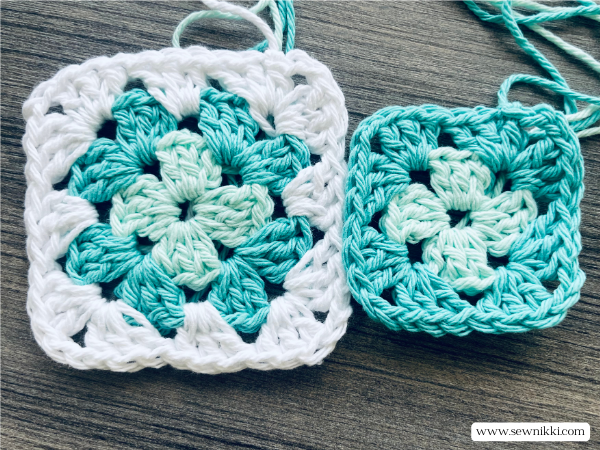
If you’re an absolute beginner eager to dive into the world of crochet, you’ve come to the right place. In this guide for beginners on how to learn how to crochet, I’ll take you through the fundamentals of crochet step by step. This will give you the solid foundation you need to start off your crochet journey.
What is crochet?
Crochet is a wonderful craft where you can express your creativity with yarn and a hook. By looping yarn around a hook in different ways you can make beautiful stitches that are various shapes and sizes. Some are stitches are small and smooth, others are thick giving texture and dimension to your handmade items. You can crochet something for every room of a house or make things you can wear.
So if you are looking for a new hobby or an experienced crocheter wanting to learn a new technique, I’m so glad you are here. This yarn craft is an easy way to make handmade items for yourself or as gifts for others. The best things to make tend to be blankets and patterns are available for free for any skill level. Just learn some basic techniques and the basics of crochet. If you are a complete beginner then give it a try, you will be hooked!
What do you need to crochet?
You only need a little bit to get started, just some yarn and a crochet hook. A good starting point is to head to your local craft store and buy a skein of yarn and a crochet hook. Crochet hook sizes are listed on the yarn label. Buy the hook that is listed on the label. The best yarn for a beginner is an acrylic 4 ply worsted weight yarn. It will have the number 4 on the yarn label along with what size crochet hook to use.

Acrylic yarn is inexpensive, it’s also easier to begin with than a cotton yarn. Cotton yarn doesn’t have a lot of give, it’s a tight fiber. Acrylic is much more loose and therefore easier to work with. Don’t waste your hard earned cash on expensive yarn until you get have the basics of crochet in your skill set. Crochet yarn can add up fast depending on the brand of yarn, the yarn fiber and how much you need for your project. The best yarn to practice crochet basics on as a beginner is acrylic worsted weight yarn 4.
Make sure you check this out!
Grab the Shell Stitch Afghan crochet pattern, my free gift to you when you subscribe to my newsletter.
The Basics
Here are the basics you should know about so you can learn how to crochet. Become acquainted with the items below before you try crocheting your first project.
How to Read Yarn Label
To read a yarn label for beginners, look for the following key information:
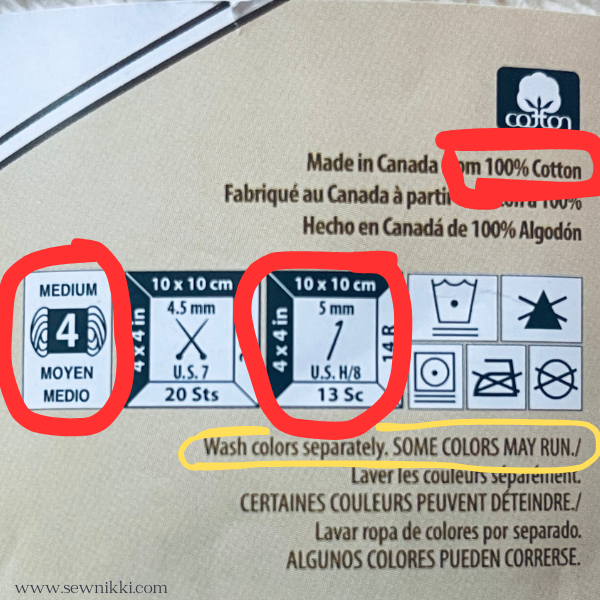
- Yarn Weight Category (e.g., worsted, bulky)
- Fiber Content (e.g., cotton, acrylic)
- Recommended Crochet Hook Size
- Gauge (number of stitches and rows per inch)
- Yardage or Meterage
- Care Instructions (washing and drying)
- Dye Lot (for color consistency)
- Color Name or Number
- Brand Name
Gather Supplies
Before you begin, make sure you have the necessary crochet supplies.

- Crochet hook (Size H/8 or G/6 is great for beginners).
- Yarn (Choose a medium weight yarn in a light, solid color for better visibility).
- Scissors for cutting yarn.
- A yarn needle for weaving in ends.
- Optional: Stitch markers can be helpful as you progress.
Learn Basic Crochet Terminology
Understanding crochet terminology is essential. Learn the following terms:
- Slip knot: The first knot you create to secure the yarn to the hook.
- Chain (ch): The foundation of most crochet projects.
- Single crochet (sc): A basic stitch that creates a dense fabric.
- Double crochet (dc): A taller stitch used in many patterns.
- Turning chain: The chain used to get your hook to the correct height for the next row.
- Foundation chain: First row of your project, the chain you build upon to make any crochet project.
Start with the Basic Stitches
Begin with the most fundamental crochet stitches: chain and single crochet stitches (SC).
- Chain Stitch (CH): Practice making even chains. This is the foundation for your crochet work. A foundation chain is just a series of chain stitches to start off your project.
- Single Crochet (SC): Learn to single crochet in rows. Create a foundation chain and practice single crocheting in each chain and turning at the end of the row.

Read Crochet Patterns
Understanding crochet patterns is essential for advancing in your crochet journey. Start with simple patterns, like scarves or dishcloths, designed for beginners. Pay close attention to the pattern’s abbreviation key, which explains what each abbreviation means.
Check out my blog post, The Top 40 Free Crochet Pattern Websites and Blogs with 40 sites offering free crochet patterns. There is something for everyone on one of those sites. There literally is a free pattern for anything you could ever want to crochet on that list.

Practice and Patience
Crocheting takes time to master. Practice is key to improving your skills. Start with small, manageable projects to build your confidence and gradually tackle more complex patterns.
Troubleshoot and Learn from Mistakes
Don’t be discouraged by mistakes; they’re part of the learning process. When you encounter issues, consult tutorials, forums, or experienced crocheters for guidance. You’ll often find solutions to common problems.
Keep Learning
Crochet is a craft that offers endless opportunities for learning and growth. As you become more comfortable with the basics, explore advanced stitches, techniques, and project types.
How to Hold Your Crochet Hook
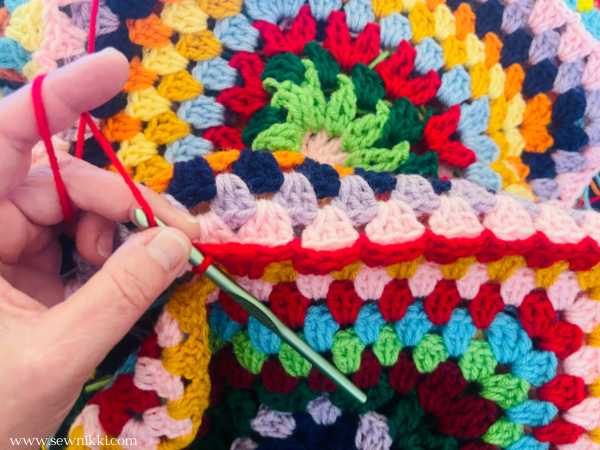
Holding a crochet hook is an essential part of learning how to crochet. The way you hold the hook can affect your comfort, tension, and the ease with which you create stitches. There are two common ways to hold a crochet hook: the pencil grip and the knife grip. You can choose the one that feels most comfortable to you.
Pencil Grip
Hold the crochet hook like you would hold a pencil. This grip is comfortable for many people who are used to writing or drawing with a pencil.
Place your thumb on top of the flat part of the hook handle (the thumb rest) to provide stability.
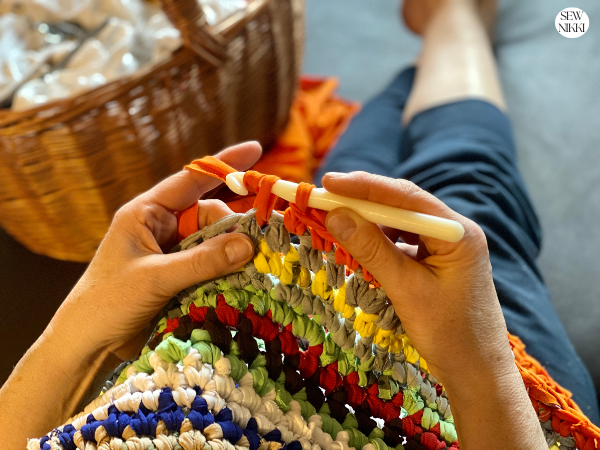
Allow your index finger to rest along the front of the hook, gently guiding it.
Wrap your middle finger and ring finger around the hook handle, securing it in place.
This grip allows for precise control over your hook and works well for crocheters who prefer a more delicate touch.
Knife Grip
Hold the crochet hook like you would hold a knife when cutting food. This grip provides a different angle for hooking the yarn and can work well for those who find the pencil grip uncomfortable.
Rest the flat part of the hook handle (the thumb rest) against the side of your palm.

Your index finger should extend along the top of the hook, gently guiding it.
Place your thumb against the front of the hook handle to help maintain control.
The knife grip may provide more leverage and is favored by some crocheters for its stability and ease of movement.
Regardless of the grip you choose, it’s important to find a comfortable and relaxed position for your hand. Tension control is key to creating consistent and uniform stitches. Your grip should be firm enough to control the hook but not so tight that it strains your hand.
As you begin to crochet, practice with both grips to see which one feels more natural and comfortable for you. With time and practice, you’ll develop a preferred grip that suits your style and allows you to crochet with ease and enjoyment.
How to Properly Crochet: Step-by-Step Guide
To properly crochet, follow these steps to create a basic crochet stitch, the single crochet (SC). It’s one of the fundamental stitches in crochet and a great place to start:
Materials
- Yarn (medium-weight is recommended for beginners)
- Crochet hook (size H/8 or G/6 is suitable for beginners)
- Scissors
- Yarn needle (for weaving in ends)
Make Slip Knot
Start by making a slip knot. To do this, create a loop with the yarn, pass the working end through the loop, and gently tighten it around your crochet hook.

Holding the Hook
Hold the crochet hook in your dominant hand, either like a pencil or a knife, depending on what feels more comfortable. The important thing is to have a firm but relaxed grip.
Yarn Over (YO)
With the hook in your hand, hold the yarn in your non-dominant hand. Position the yarn so that it comes from the skein over your index finger. To yarn over, bring the hook under the yarn from back to front, then through the hole to form a chain.


Insert the Hook
Insert the hook under both strands of the V-shaped loop (the stitch) in the previous row or in the foundation chain (if you’re starting a new project). When you add stitches to a foundation chain, you will insert hook through one loop only. Once you have this row completed, the next row with have V-shaped loops to stitch into.

Yarn Over and Pull Up a Loop
With the hook inserted into the stitch, yarn over again by bringing the hook over the top of the yarn. Then, pull that yarn through the stitch, so you have two loops on your hook.

Yarn Over and Pull Through Both Loops
Yarn over once more and pull it through both loops on your hook. You should now have only one loop left on the hook.

Complete the Single Crochet (SC)
You’ve just made a single crochet stitch. To continue, repeat steps 3 to 6 in the next stitch or the next stitch space in your project.
Turning Your Work
After reaching the end of a row, chain one and turn your work (this is called the turning chain). This allows you to work back in the opposite direction.
Continue Crocheting
To create more rows, insert your hook into the first stitch (usually the second chain from your hook if you’re starting a new row) and repeat steps 3 to 6. This will create additional rows of single crochet stitches.


Finishing Off
When you’re ready to finish your project, cut the yarn, leaving a 4 to 6 inch tail. Yarn over once more and pull the yarn through the last loop on your hook to secure it. Use a yarn needle to weave in the loose ends to hide them.

More Ways To Teach Yourself How to Crochet
Learning how to crochet has never been easier, and you can absolutely teach yourself—even if you’ve never picked up a hook before. If you’re a visual learner, or you need someone to “sit beside you” while you practice stitches, these methods make the whole process feel way less overwhelming.
Follow Along With YouTube Stitch Tutorials
Online video tutorials are a fantastic resource for visual learners. Websites like YouTube have countless crochet tutorials that walk you through each step. Search for “beginner crochet tutorials” to find relevant videos.
Here are some of my favorite YouTube channels with stitch tutorials and tons of other stuff: Hooked by Robin, HopefulHoney, Bella Coco, Melanie Ham, and HappyBerry Crochet.
These help beginners avoid frustration and build solid muscle memory from day one.

Take Advantage of Online Courses
These structured beginner-friendly resources walk you through the basics step-by-step:
- Creative Bug
Monthly member for online crochet classes. - Skillshare
Monthly member for online crochet classes.
Both explain hook sizes, yarn weights, gauge, reading patterns, and the core stitch library.
Start With Beginner Stitches and Practice Squares
Before jumping into a big project, practice:
- Chains
- Rows of single crochet
- Rows of half-double crochet
- Turning chains and consistent tension
Make a set of small “practice squares”—they help you master counting, turning rows, and holding the hook.
Join Crochet Facebook Groups or Reddit Communities
You’ll get instant answers to beginner questions, plus tips from crocheters at all levels:
- Reddit r/crochet
- Beginner Crochet Facebook Groups (search “learn to crochet”)
- Here are some Facebook crochet group you can check out: All Free Crochet Community, Craft Habit Social, All Things Crochet, Cre8tion Crocheters Unite, and CoCo Crochet Lee Community.
These communities are great when you get stuck on a stitch or pattern.
What to Crochet For Your First Crochet Project
When you’re learning how to crochet, simple, repetitive stitches are the best place to start. These beginner friendly projects use basic stitches like SC, HDC, and DC, and they let you practice your tension, turning chains, and keeping your rows straight without any stress.
Here are 10 great first crochet projects, all easy, fun, and perfect for beginners.
1. Wavy Crochet Scarf
This is the ideal first scarf for beginners — it uses half double crochet stitches, works up fast, and helps you get comfortable with tension and clean edges. Great for practicing color changes, too.
2. Modern Stripes Blanket
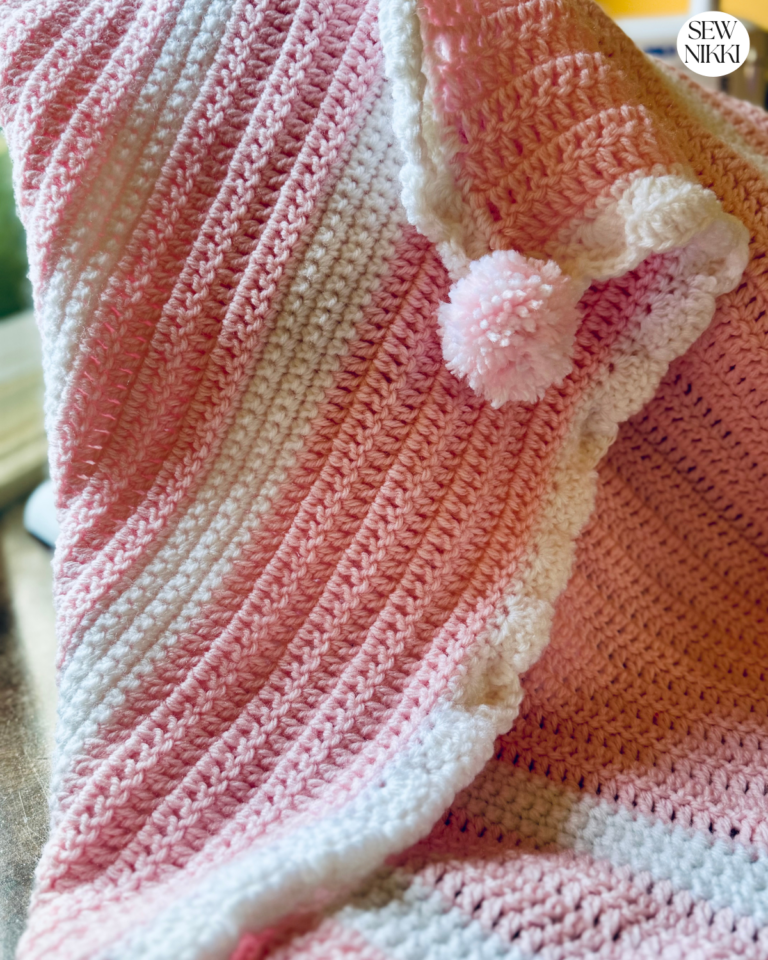
This blanket is made with simple, relaxing stitch repeats and long clean rows. Perfect “zone out and crochet” beginner project with a modern look.
3. Cell Phone Purse
A quick, easy project that’s basically a small rectangle folded in half and seamed — or worked in the round. Add a simple strap and you’re done.

4. Classic Shell Afghan
A perfect intro to shells and lace-style textures. If you know how to double crochet, you can make this blanket. It’s repetitive, relaxing, and beautiful.
5. Lumbar Crochet Pillow
This is one of the best beginner home décor projects. It’s basically just a big rectangle (or two panels) made with simple stitches like HDC or DC, then sewn around a pillow insert.
6. Sunburst Granny Square Blanket
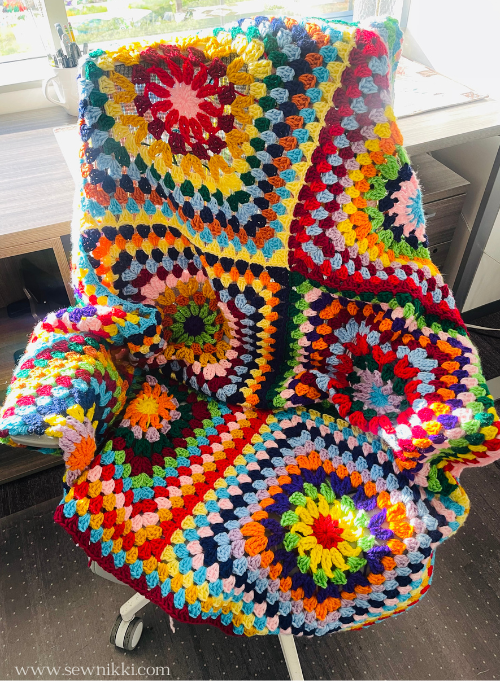
Sunburst squares are PERFECT for beginners who want to move beyond traditional grannies. They use basic stitches but create a gorgeous, modern motif. Join enough together and you have a full cozy blanket.
7. Granny Ripple Baby Blanket
This beginner ripple blanket uses granny clusters instead of complicated shaping. It has a relaxing rhythm and is easy to size up or down.
8. Simple Crochet Dishcloth
It’s quick, uses very little yarn, and teaches beginners how to keep their rows the same width.
9. Hoodie Scarf Pattern
This is a fun project for confident beginners. It’s basically a long, simple scarf worked in HDC, plus an easy hood section. Still beginner-safe, but gives you the satisfaction of making a wearable accessory.
10. Ugly Christmas Sweater
A classic holiday make — and absolutely beginner-friendly if done in a simple rectangle construction. It’s the perfect first wearable, because the shape is forgiving and the whole point is that it’s… well… ugly (in a cute way).
Free Pattern Index
If this is your first time here and you are new to crochet, start by reading this post. Then move onto the Crochet Tutorials page with full tutorials different patterns. Finally, find a free crochet pattern The Pattern Index. Want a digital pattern? You can find those here.
Remember to choose patterns that are labeled as “beginner” or “easy” and read through the instructions carefully. Take your time, practice your tension, and don’t be discouraged by any mistakes. Crocheting is a skill that improves with practice, so enjoy the process and have fun creating your first crochet projects!
SAVE THIS PIN FOR LATER!

About Sew Nikki
Welcome to Sew Nikki. Your place for free crochet, sewing and quilt patterns for beginner to intermediate skill levels. Want a digital pattern? We have those too! Plus tutorials to walk you through how to make each item from start to finish.
Remember that learning how to crochet is a journey, and there’s no rush to become an expert overnight. Enjoy the process, and embrace the creativity and relaxation that crocheting can offer. With practice and determination, you’ll develop your skills and create beautiful crocheted items.
Follow me on social media (Pinterest, Instagram, Facebook and Twitter) so you get notifications when I post new patterns and tutorials.
This post contains ads and affiliate links, which means I make a small commission at no extra cost to you. While the ads may seem annoying, it helps keep this blog going. See my full disclosure here.



Wow! So much great information. Thanks for sharing! This is so cool!